The NZ winter school holidays are nearly here, and with them comes that quiet pressure to make everything special. After years of doing this, first with little kids and now with teenagers, here's what I've learned: the magic was never in the money. These are low-cost school holiday ideas for families that lean on connection over cost, the simple things that actually bring everyone closer at home.
The school holidays start in about a week, and if you're anything like me, you can already feel the hum of it: the pressure to make the days special, to fill them, to give the kids something to remember.
I've felt that pressure for years. But here's what I've slowly worked out, raising two kids who are now 14 and 16: it was never about what we spent. It was about what we did together. Cheap school holiday activities aren't the consolation prize for the families who can't afford the big stuff. They're the actual point. The connection is the thing. The cost was never the issue.
So here are the ideas that worked when my two were little, and some of them still work now they're teenagers.
Get out of the house without spending a cent
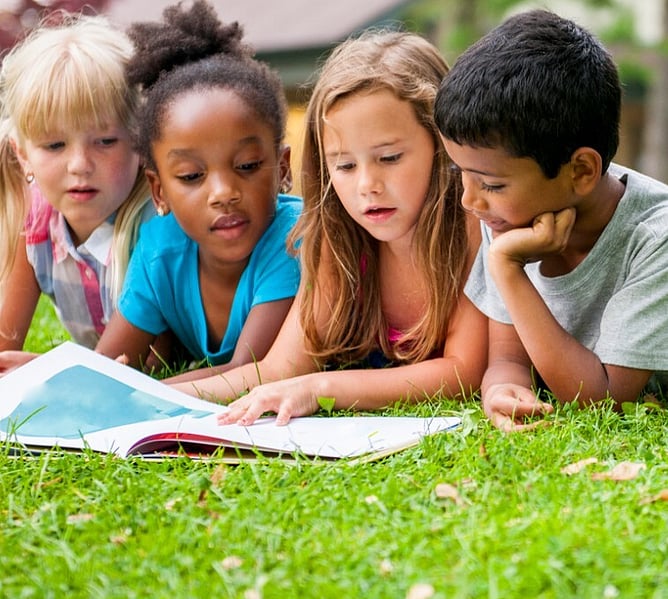
Some days, the best thing you can do is just leave. Walk somewhere new. A park you don't usually go to, the beach if you can get there, a bit of bush, a reserve down the road you've driven past a hundred times and never stopped at.
There's something about being somewhere different that shifts the whole mood. The bickering settles. Everyone breathes out a bit. I've found that getting out the door fixes more than I ever expect it to, even when getting everyone into the car feels like herding cats.
And it turns out there's real weight behind that feeling. One large study found that people who spent at least two hours a week in nature were significantly more likely to report good health and wellbeing than those who didn't get any. It didn't matter whether that was one big walk or lots of little ones across the week. That's good news for the holidays, because a DOC track, a local reserve, the riverbank, or just the park at the end of your street all count. Pack a thermos and some snacks (winter holidays, so dress for it), and you've got an afternoon out for the price of a few sandwiches.
If the weather turns, and it will, the library is your friend. Most councils run free school-holiday programmes, and even on a plain day a library is warm, free, and full of books and audiobooks to borrow for the days you're stuck inside.
Take something ordinary and make it an event
You don't need to go anywhere to make a day feel special. You just need a bit of ceremony.
Movie night is the obvious one, but it lands so much better when you make a thing of it. Curtains closed in the afternoon, everyone in their PJs, popcorn on the couch, the works. When mine were small I picked the film. Now I let them choose, even when the choice makes me wince, and we do a mini marathon of something they love.
The one rule I keep trying to introduce is the phones-off challenge. I'll be honest, that one is still a work in progress in this house. But even partial wins count.
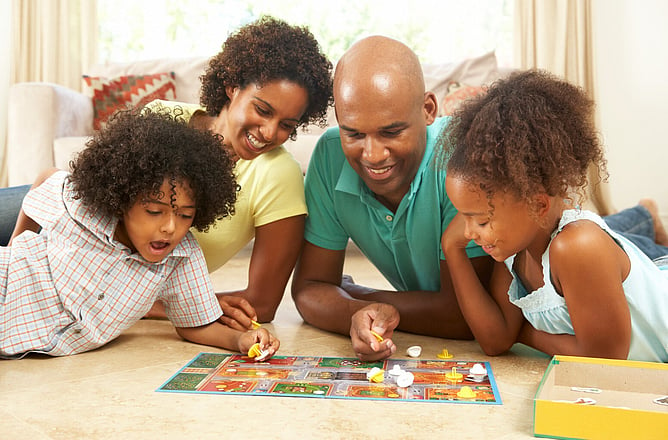
Other ordinary-into-an-event ideas that cost nothing: a board game, card game or puzzle afternoon, backyard camping or a fort built out of every cushion and blanket you own, or a baking session where the mess is part of the fun. The point isn't the activity. It's the little bit of effort that says, today is a bit different, and we're doing it together.
Slow, side-by-side time matters more than entertainment
Here's the shift no one really warns you about. When the kids are small, you're the entertainment director. As they grow, your job changes. It becomes less about entertaining them and more about just being with them.
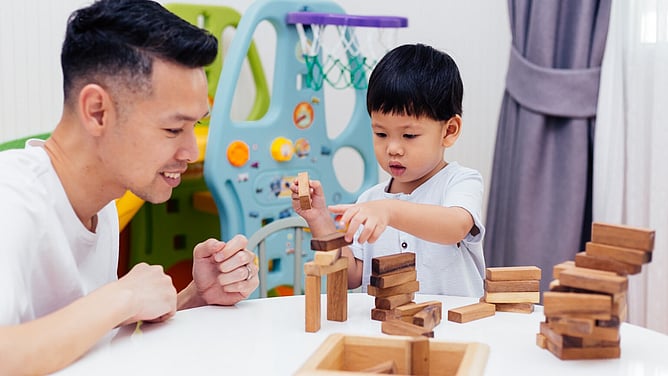
Some of the moments I treasure most now are the quiet, side-by-side ones. Doing our nails together. Baking something neither of us really needed. An aimless drive with the music up. Watching something on the couch together (current favourites are Gilmore Girls and Brooklyn99 with my 16 year old, and my 14 year old likes Mr Beast and Outer Banks); not talking much, just there.
It sounds almost too simple to matter, but it really does. Researchers who study happiness have found that we get more lasting joy from experiences and shared moments than from things we buy . A new toy gives a quick hit and then fades. A morning baking together, or a drive where your teenager finally opens up, becomes part of the family story you both carry. You can't wrap that, and you can't buy it on sale.
So if a holiday day ends up being nothing more than you and your kid pottering around the kitchen together, please don't count it as a wasted day. That might be the day they remember.
Let them lead, and let them create
One of the easiest ways to take the pressure off yourself is to hand some of it over. Kids, especially as they get older, just want to feel heard, and letting them lead is a quiet way of saying I trust you.
When mine were younger, this looked like crafts spread across the table, playdough, drawing, the kind of mess that takes longer to clean up than to make. Now it looks different. My two will make and edit videos, completely rearrange a bedroom, build playlists, follow a free YouTube tutorial to learn something new, or take over the kitchen and bake (or cook a meal).
A "yes day" is a lovely version of this. You let them lead the plan, the meals, the activity (within reason, and within budget). It's a bit chaotic and a lot of fun, and it gives them a real say in their own time.
This is also where so much quiet growing-up happens. Free, unstructured time, the kind where kids decide what to do and figure it out themselves, helps build the skills they'll lean on for life. Paediatricians describe play and child-led time as the way children build problem-solving, focus, and self-regulation, the ability to plan, wait, and manage themselves. In plain terms: a bored kid left to their own devices is often a kid quietly learning how to entertain and organise themselves. That groans-of-"I'm boooored" stage isn't a problem to fix. It's the doorway to them making something of the day on their own.
If you want more on handing kids real responsibility, I've written separately about raising responsible kids in Aotearoa.
Cheap days out that still feel like a treat
If you want to actually go somewhere, plenty of the best options barely cost a thing.
A simple day-trip with a packed lunch always feels bigger than it is. So does op-shopping with a small, agreed budget each, a strangely satisfying way to spend an afternoon, and you never know what you'll find. A photo scavenger hunt turns an ordinary walk into a game: a list of things to spot and snap, and suddenly the kids are looking at the world differently. Biking around the neighbourhood, a free museum or gallery if there's one near you, gardening together, or visiting grandparents and whānau all give the day shape without giving your wallet a workout.
And visiting whānau deserves a special mention. For us, time with my Mum, who lives with us, is woven through the holidays, and those everyday connections across the generations are worth more than any paid outing. The holidays are a good window to lean on the people around you, not just to entertain the kids, but to let them be known and loved by more than just you.
It's worth remembering why the low-cost route is having such a moment, too. The cost of living for the average New Zealand household rose again in the past year, and a lot of us are feeling it. So if money is tight this winter, you are absolutely not alone, and you're not letting your kids down. You're in very good company, and the research is quietly on your side.
Staying home is allowed, and connection always beats cost
Here's your permission slip: not every day of the holidays needs to be filled.
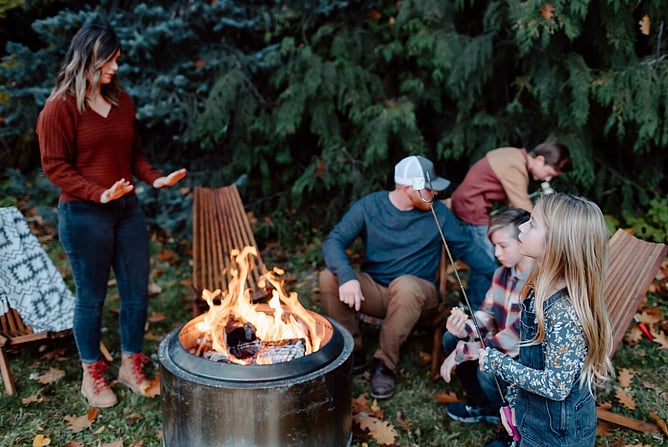
Some of the best days are the slow ones. The quiet, messy, stay-in-your-pyjamas-til-lunch ones. The thread running through everything I've said is the same: it's connection, not cost. And connection happens just as easily on the lounge floor as it does at a paid attraction.
When my two were little, the home days were crazy hair days, baking chaos, backyard scavenger hunts, the simple stuff that filled an afternoon and cost nothing. Now they look like chats in the car, a shared meal where everyone's actually at the table, sitting together in the same room even when we're all doing our own thing.
If you ever catch yourself feeling like enough is never quite enough, you might find some comfort in when did enough stop being enough. Because we feel it too.
A gentle word before the holidays start
So as the holidays roll in, I want to leave you with this. You're not alone in feeling the pressure. You don't need to spend big, and you really don't need to do everything.
Years from now, your kids won't remember whether you nailed the perfect outing. They'll remember that you were there. That you were around, that you were soft with them, that home felt like a good place to be.
If a bit of the load you're carrying is the invisible planning, the mental juggling of who's doing what, who needs feeding, what's actually happening today, that's exactly what we try to ease at FamilySpaces. Our free Weekly Reset Planner is a gentle place to start, and our acrylic Planning Panels help you get all of it out of your head and onto a board, so the whole whānau can see the plan and you're not the only one holding it.
Have a slow, warm, connected holiday. You've got this.Weekly Reset planner
Frequently Asked Questions
When do the NZ school holidays start in 2026?
The New Zealand winter school holidays usually fall across the back end of June into July, but exact dates vary a little by school and region, especially with kura that set their own term dates. The quickest way to be sure is to check your own school's calendar or the Ministry of Education term dates for 2026, as a day or two either side is common.
What are some cheap school holiday activities that keep kids happy?
Lean on the simple, free things: a walk somewhere new, a library visit, baking, a board game or puzzle afternoon, backyard camping, a photo scavenger hunt, or a craft session for younger ones. Mixing one outing with plenty of slow days at home tends to keep everyone happier than trying to pack the days full.
How do I entertain teenagers in the holidays without spending money?
Teens often just want to feel heard, so let them lead. Let them choose the movie, learn a skill from a free YouTube tutorial, cook one family dinner, rearrange their room, make videos, or build a playlist. The side-by-side time, a drive, baking, or just sitting together, often matters more to them than anything you'd pay for.
Is it okay to just stay home during the school holidays?
Absolutely. Not every day needs to be filled, and slow, quiet, messy days at home count just as much as big outings. Connection comes from being present with your kids, and that happens easily on the lounge floor. Unstructured downtime is genuinely good for them too.
Why are low-cost, connection-led holidays good for kids?
Research suggests we get more lasting happiness from shared experiences than from things we buy, time in nature lifts wellbeing, and free, child-led play builds problem-solving, focus, and self-regulation. In short, the simple, low-cost holiday isn't a compromise. It's often exactly what kids need.
How can I reduce the mental load of planning the school holidays?
Make the plan visible and shared so you're not the only one holding it in your head. Write the week up somewhere everyone can see it, let the kids help choose and lead some days, and accept that empty days are allowed. A wall-mounted planner or a simple shared list takes the juggling out of your head and spreads it across the whole family.
